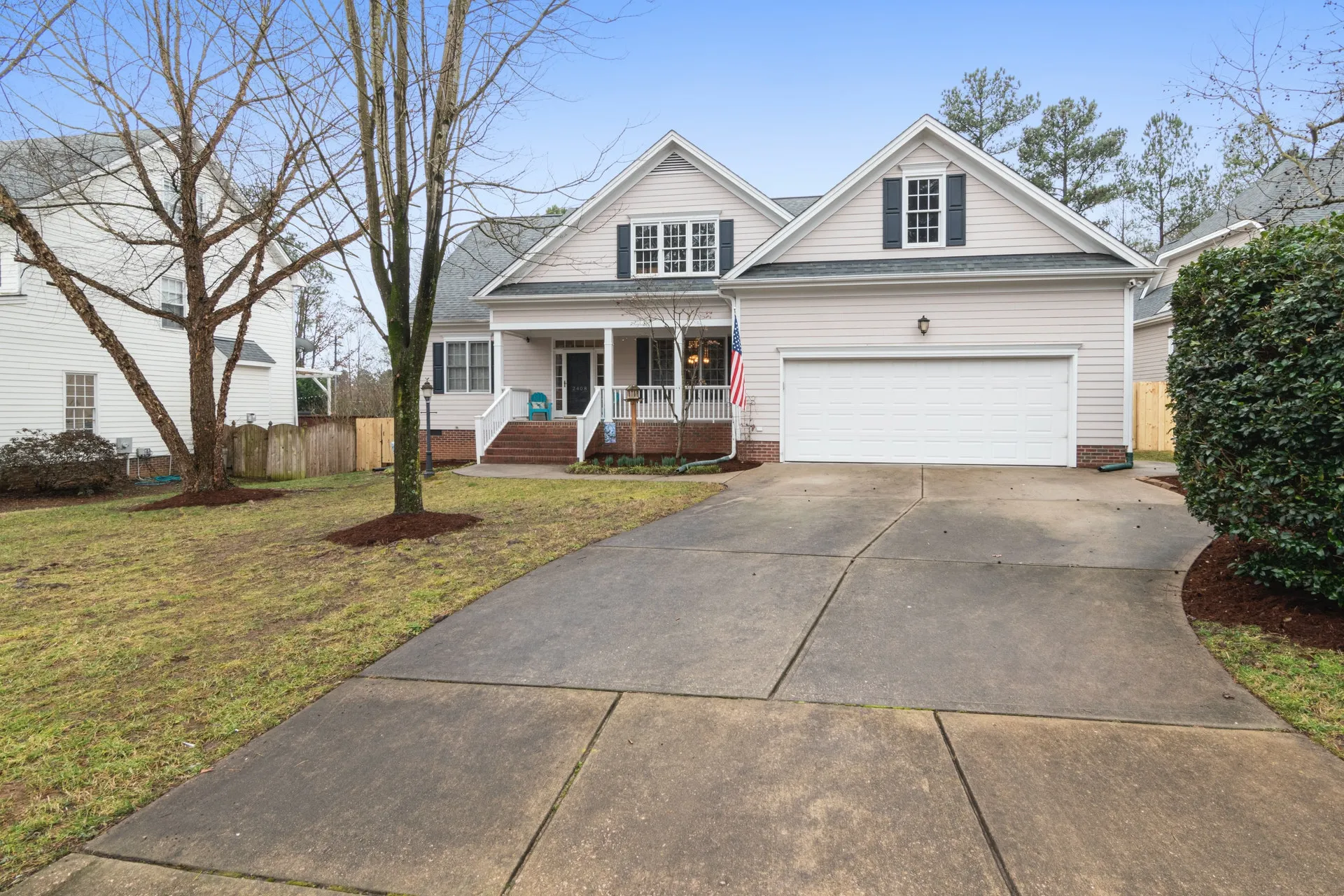
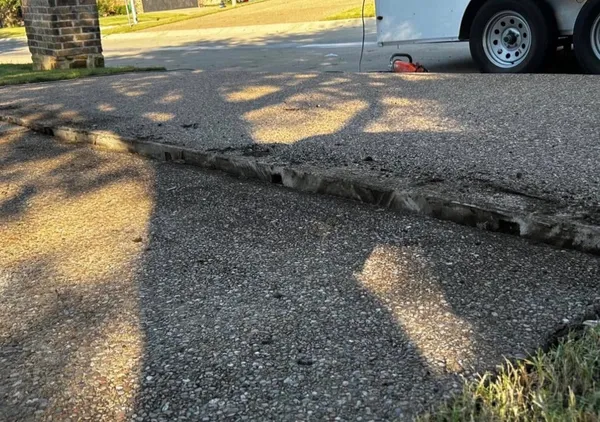
If you’ve got a slab that’s dropped an inch or two and you’re catching your toe on it every time you walk to the mailbox, you already know it’s a problem. What most folks don’t realize is how fast it gets worse once it starts.
We’ve been lifting driveways across Dallas-Fort Worth for nearly 30 years. We’ve seen everything from a single panel that dropped after a bad rain to entire driveways that look like a roller coaster. The good news is that in most cases, we can raise it back up in an afternoon — no jackhammers, no concrete trucks, and no tearing up your yard.
If you live anywhere in the DFW metroplex — from Weatherford and Aledo out west to Plano and McKinney up north, Arlington to Burleson down south — your home is sitting on some of the most unpredictable soil in the country. Texas clay expands when it’s wet and shrinks when it dries, and it does both with a vengeance.
That cycle creates gaps underneath your driveway. Once the support is gone, gravity does the rest.
The most common causes we see:
Instead of ripping out your driveway and pouring a new one — which can cost thousands and take a week or more — we use a high-density polyurethane foam to fill the void and raise the slab back to grade.
We drill small holes about the size of a penny, inject the foam, and it expands to fill every gap underneath. The whole process is quick, clean, and precise. In most cases, you can park on your driveway again within 15 minutes of us finishing.
We use NCFI Geotechnical polyurethane formulations — the same industrial-grade foam used on highways and airport runways across the state.
A lot of folks have heard of mudjacking — the old method where you pump a heavy cement slurry under the slab. We’ve moved past that for good reasons:
We keep it simple. No heavy equipment tearing up your lawn, no concrete dust coating your car, no weeks of waiting.
When we’re finished, we patch the injection holes to blend with your existing concrete. Most people can’t even tell where we drilled.
A sunken driveway isn’t just ugly — it’s a trip hazard, a liability, and it gets worse with every rain. The longer the void sits open under your slab, the more soil washes away, the wider the cracks get, and the more expensive the fix becomes.
If you’re in Dallas, Fort Worth, Weatherford, Hudson Oaks, or anywhere across the North Texas area, give us a call. We’ll come take a look, give you an honest assessment, and a free estimate. No pressure, no sales pitch — just straight talk from people who’ve been doing this a long time.
Every job is different, but a typical residential driveway repair in the DFW area runs between $1,200 and $3,500, depending on how much settling has occurred and how large the affected area is. Compare that to tearing out and replacing, which can easily run $10,000 or more. We provide a free inspection and quote so you know exactly what you’re looking at before any work starts.
Most residential driveway jobs are completed in a single day. And unlike new concrete that needs days to cure, you can drive on your driveway immediately after we finish.
We do a physical inspection on-site and walk through the damage with you. If the concrete has been neglected for a long time and has broken into many small pieces, replacement may be the better option. But in most cases, concrete lifting can get the job done at a fraction of the cost.
Absolutely. The expansive clay soil across North Texas swells when it’s wet and shrinks when it dries. That constant movement creates voids under your slab that lead to settling. It’s the single biggest reason we stay busy year-round.
We work year-round. In the winter months, we keep our materials heated so we can operate in any conditions. There’s no bad time to fix a sinking driveway — but the longer you wait, the worse (and more expensive) it gets.
Looking for related services? We also lift sidewalks, garage floors, and handle void filling across DFW.

Let Us Know How We Can Help You
Fill out the form below to get in contact with us! We can also be reached via email at: contact@prideconcretelifting.com or via telephone at: 817-888-6254 .