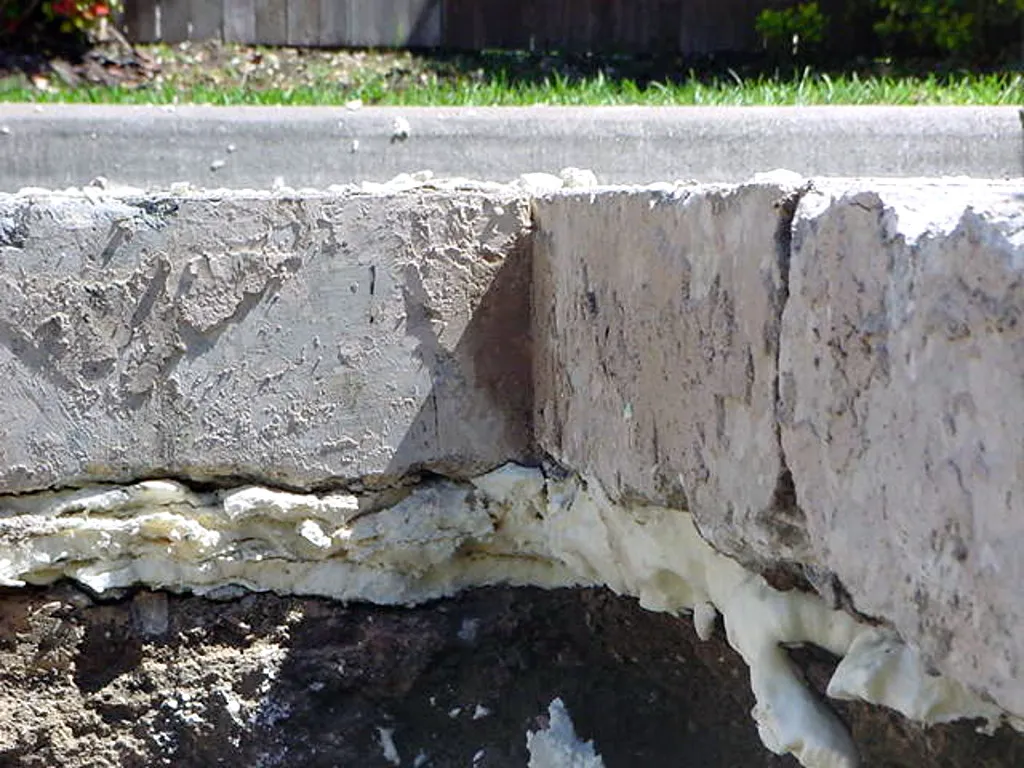
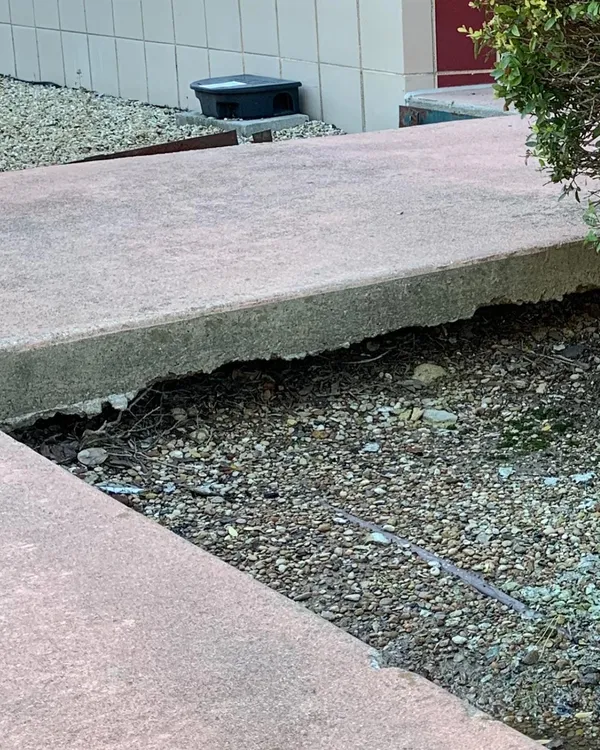
Sometimes the concrete looks fine on the surface. No cracks, no obvious settling. But underneath, the soil has been washing away for months or even years, leaving a hollow cavern with nothing holding your slab up but luck.
We’ve been finding and filling voids across Dallas-Fort Worth for nearly 30 years. The Texas soil down here — especially the expansive clay from Fort Worth west through Weatherford and Azle, and the sandy loam you’ll find further out — is notorious for erosion. Water finds a way in, carries the soil out, and leaves you with a ticking time bomb under your concrete.
If you catch it early, filling a void is a straightforward, affordable fix. If you wait until the slab cracks, sinks, or collapses, you’re looking at a much bigger bill.
Most homeowners don’t know they have a problem until something breaks. But there are warning signs if you know what to look for:
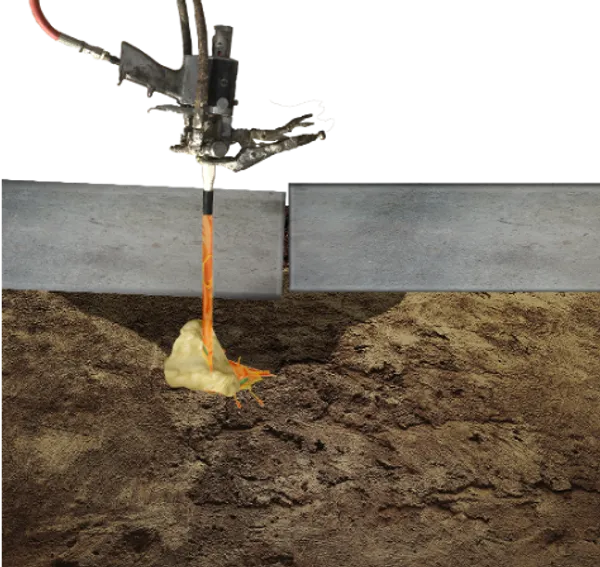
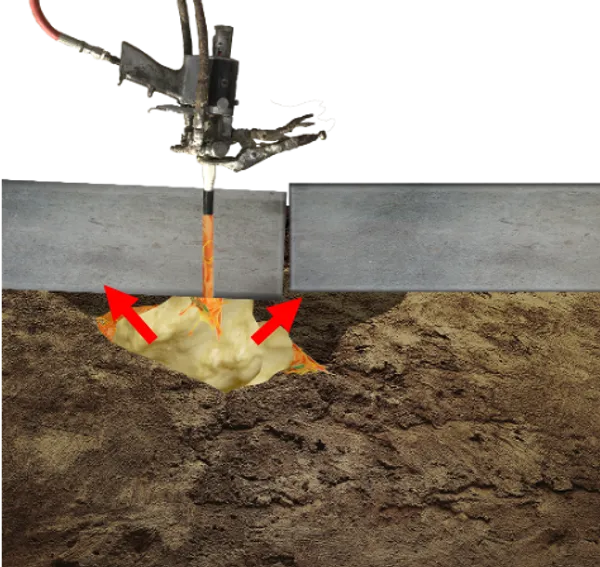
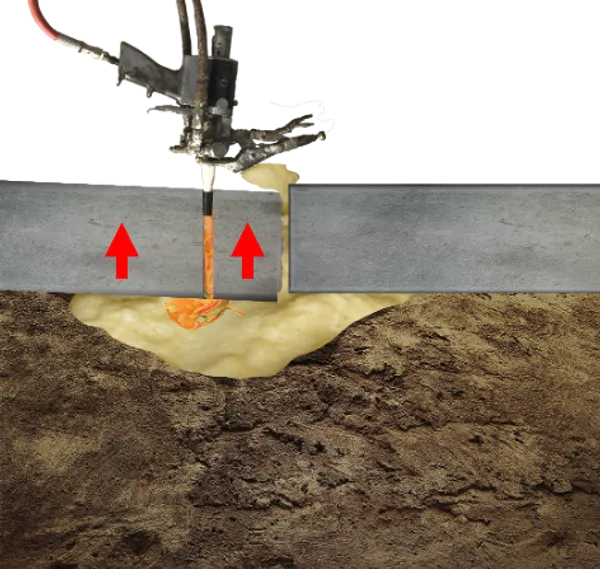
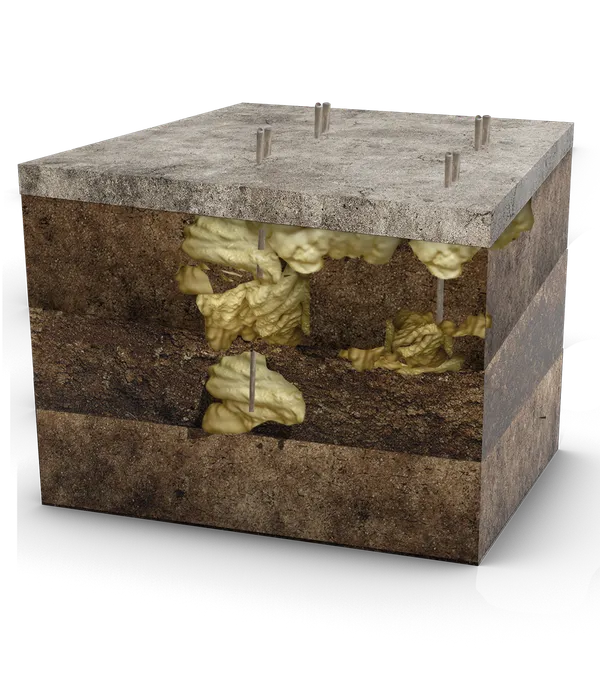
Void filling isn’t just for driveways and patios. Because our polyurethane foam is liquid when injected, it flows into every gap and crevice before expanding to fill the space. That makes it ideal for some tricky applications:
Water is constantly trying to push through your seawall or retaining wall, carrying soil with it. Over time, the material behind the wall erodes and the structure starts to lean or fail. We inject our hydrophobic foam behind the wall to bind the soil, displace the water, and create a watertight seal that stops the erosion.
Soil washout around corrugated metal pipes and culverts is a common problem for municipalities and commercial properties across North Texas. When the soil around the pipe erodes, the road above starts to sag or collapse. We inject foam around the pipe to fill the void, support the surface, and seal against further leaks.
Those big concrete pads holding your air conditioning unit or backup generator settle on one side more often than you’d think. A tilted pad strains refrigerant lines and electrical connections. We can stabilize the pad without disconnecting or moving the equipment.
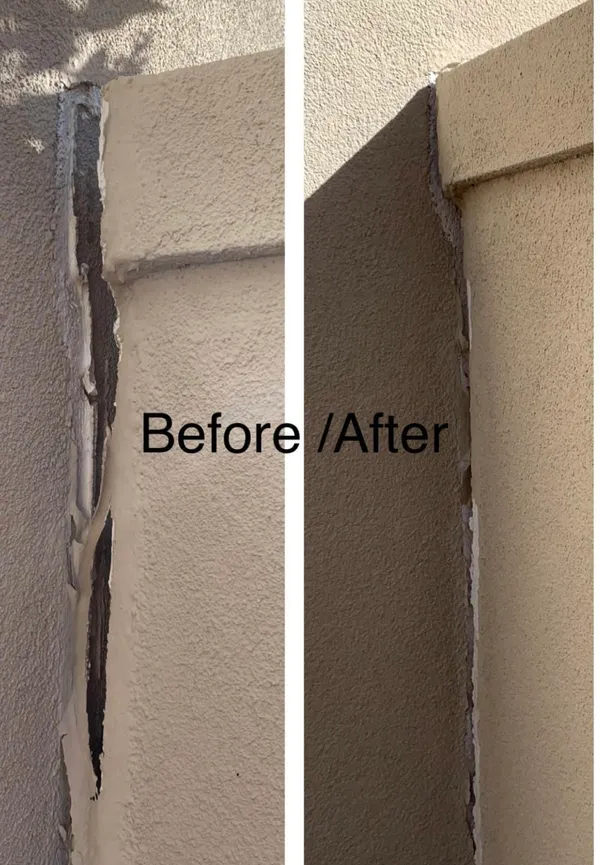
After utility work — water lines, gas lines, fiber optic — the backfilled soil almost always settles. That leaves a depression in your yard, parking lot, or roadway. We densify the soil with foam to stop the settling and bring the surface back to grade.
Filling a void today costs a fraction of what it takes to lift a sunken slab or replace a broken one tomorrow. We’ve seen small voids that could’ve been fixed for a few hundred dollars turn into multi-thousand-dollar repair jobs because the homeowner didn’t know it was there.
When needed, we use ground-penetrating radar (GPR) and probe testing to locate voids precisely. No guesswork — we know exactly where the problem is and how deep it goes before we start.
Pride Concrete Lifting has the tools and the experience to find what’s hiding under your concrete and fix it before it becomes a bigger problem.
The most common sign is the “hollow sound” — if you walk across your concrete and it sounds like a drum instead of solid ground, there’s likely air underneath. Other clues include soil washing out from the edges after rain, new cracks appearing, and critters finding their way under your slab.
Water is the biggest culprit — whether it’s a broken water line, misdirected drainage, or just years of rainwater finding a path under your slab. The water carries soil with it, and over time that creates a hollow space with nothing holding your concrete up.
We can fill voids anywhere. Whether it’s under a driveway, a sidewalk, a commercial parking lot, or near a home’s foundation, our foam reaches the void and fills it. We use probe testing and ground-penetrating radar when needed to locate exactly where the problem is.
Absolutely — that’s the best time to catch it. Filling a void now costs a fraction of what it takes to lift a sunken slab or replace a broken one later. Prevention is always cheaper than repair.
Related services: driveway lifting, garage floor leveling, and warehouse & industrial floor repair.
Let Us Know How We Can Help You
Fill out the form below to get in contact with us! We can also be reached via email at: contact@prideconcretelifting.com or via telephone at: 817-888-6254 .